
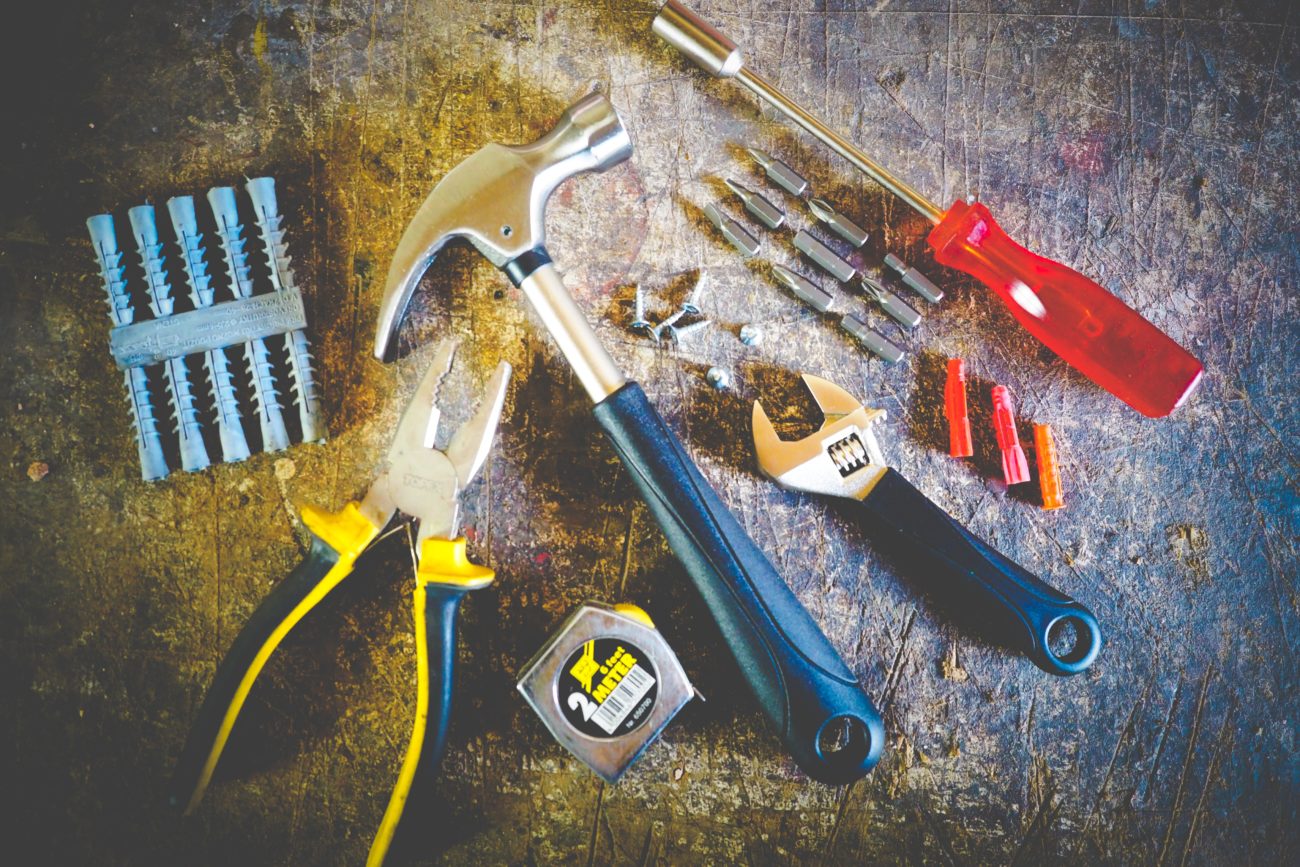
Owning or managing a commercial building in New York City comes with nonstop demands. From harsh winters and humid summers to constant foot traffic and aging infrastructure, NYC properties endure intense wear and tear. Waiting until something breaks isn’t just stressful — it’s expensive. That’s why preventive maintenance isn’t a luxury; it’s a smart financial strategy.
Building owners and property managers must stay ahead of costly repairs with proactive, scheduled care that protects both budgets and reputations.
Why Preventive Maintenance Matters in NYC
New York’s climate and density create unique challenges for commercial properties. Snow, ice, heatwaves, and heavy rain all impact building systems. Combine that with high occupancy rates and strict local regulations, and small issues can quickly escalate into major expenses.
A neglected HVAC filter can strain an entire system. A minor roof crack can turn into a major leak. A clogged drain can disrupt tenants and damage interiors. The key difference between a manageable fix and a five-figure emergency? Timing.
Preventive maintenance focuses on identifying and correcting issues before they become disruptive and costly.
Key Areas That Benefit from Preventive Maintenance
1. HVAC Systems
Commercial HVAC systems work hard year-round in NYC. Seasonal inspections, filter replacements, coil cleaning, and system testing can:
- Improve energy efficiency
- Lower utility bills
- Extend equipment lifespan
- Prevent emergency breakdowns during peak seasons
Routine service costs far less than replacing a failed system in the middle of July.
2. Roofing and Exterior Surfaces
NYC commercial buildings often have flat roofs, which are especially vulnerable to pooling water and debris buildup. Preventive roof inspections can identify:
- Cracks and membrane damage
- Drainage blockages
- Flashing issues
- Early signs of leaks
Addressing these issues early prevents interior water damage, mold growth, and expensive structural repairs.
3. Plumbing and Drainage
Commercial plumbing systems handle high usage daily. Regular inspections and drain cleaning help prevent:
- Backups and flooding
- Pipe corrosion
- Water damage to tenant spaces
- Costly emergency plumbing calls
In NYC, where one plumbing issue can impact multiple tenants, prevention protects both property and relationships.
4. Interior Cleaning and High-Traffic Areas
Preventive maintenance isn’t just about mechanical systems. High-traffic areas such as lobbies, hallways, and restrooms require consistent care to avoid premature wear.
Regular floor maintenance, carpet cleaning, and surface sanitization:
- Extend flooring lifespan
- Reduce slip-and-fall risks
- Maintain professional appearance
- Support healthier indoor environments
Clean, well-maintained spaces also improve tenant satisfaction and retention.
The Financial Benefits of Proactive Maintenance
Preventive maintenance delivers measurable financial advantages:
Lower Repair Costs
Fixing a minor issue is almost always cheaper than replacing a major system.
Reduced Downtime
Emergency repairs disrupt tenants and operations. Scheduled maintenance minimizes business interruptions.
Extended Asset Lifespan
Well-maintained equipment and building components last longer, delaying large capital expenditures.
Improved Energy Efficiency
Maintained systems run more efficiently, reducing monthly operating costs.
Better Compliance
NYC has strict building codes and inspection requirements. Routine maintenance helps ensure you’re prepared for inspections and avoids costly violations.
Customized Maintenance Plans Make the Difference
Every NYC commercial property is different. A midtown office tower has different needs than a Brooklyn retail strip or a Queens warehouse facility. Work with a company that offers customized preventive maintenance plans tailored to:
- Building size and age
- Tenant occupancy levels
- System types and usage
- Seasonal demands
Your maintenance partner should conduct thorough inspections, develop scheduled service plans, and provide ongoing reporting, ensuring property owners and managers stay informed and in control.
Prevention Is an Investment — Not an Expense
It’s easy to postpone maintenance when everything appears to be working. But in commercial real estate, “fine for now” often turns into “urgent and expensive” without warning.
Preventive maintenance shifts your approach from reactive to strategic. Instead of scrambling during emergencies, you gain predictable costs, improved tenant satisfaction, and stronger long-term asset value.
The smartest way to save money is to prevent problems before they start. With a proactive maintenance strategy in place, your building operates more efficiently, looks better, and performs reliably — all while protecting your bottom line.