
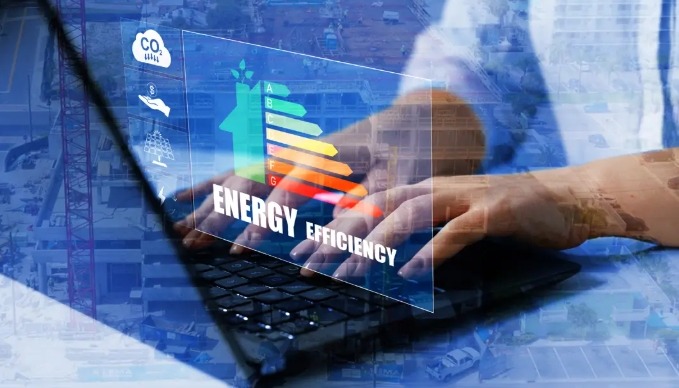
Energy efficiency is no longer just an environmental goal—it is a critical business strategy for commercial property owners seeking to reduce costs, improve asset value, and attract modern tenants.
Energy Efficiency Basics
One of the most accessible upgrades is switching to LED lighting. LED systems use significantly less energy, require less maintenance, and improve overall building illumination.
HVAC optimization is another major opportunity. Smart thermostats, automated building controls, and upgraded HVAC equipment can substantially lower heating and cooling expenses while improving occupant comfort.
Building envelope improvements, such as enhanced insulation, energy-efficient windows, and weather sealing, can reduce energy loss and stabilize indoor temperatures.
Water system upgrades—including low-flow fixtures, leak detection systems, and efficient irrigation controls—can also lower utility costs.
Solar energy systems are increasingly attractive for larger commercial properties. While installation costs can be substantial, tax incentives and long-term savings can provide strong ROI.
Energy management systems that monitor real-time usage allow property owners to identify inefficiencies and adjust operations proactively.
Benefits of Energy Upgrades
Benefits of energy upgrades include:
- Lower operating costs
- Increased property value
- Improved tenant retention
- Regulatory compliance
- Enhanced sustainability reputation
As tenants increasingly prioritize environmentally responsible spaces, energy-efficient properties gain a competitive advantage.
By strategically investing in energy upgrades, commercial property owners can improve profitability while future-proofing their assets.