
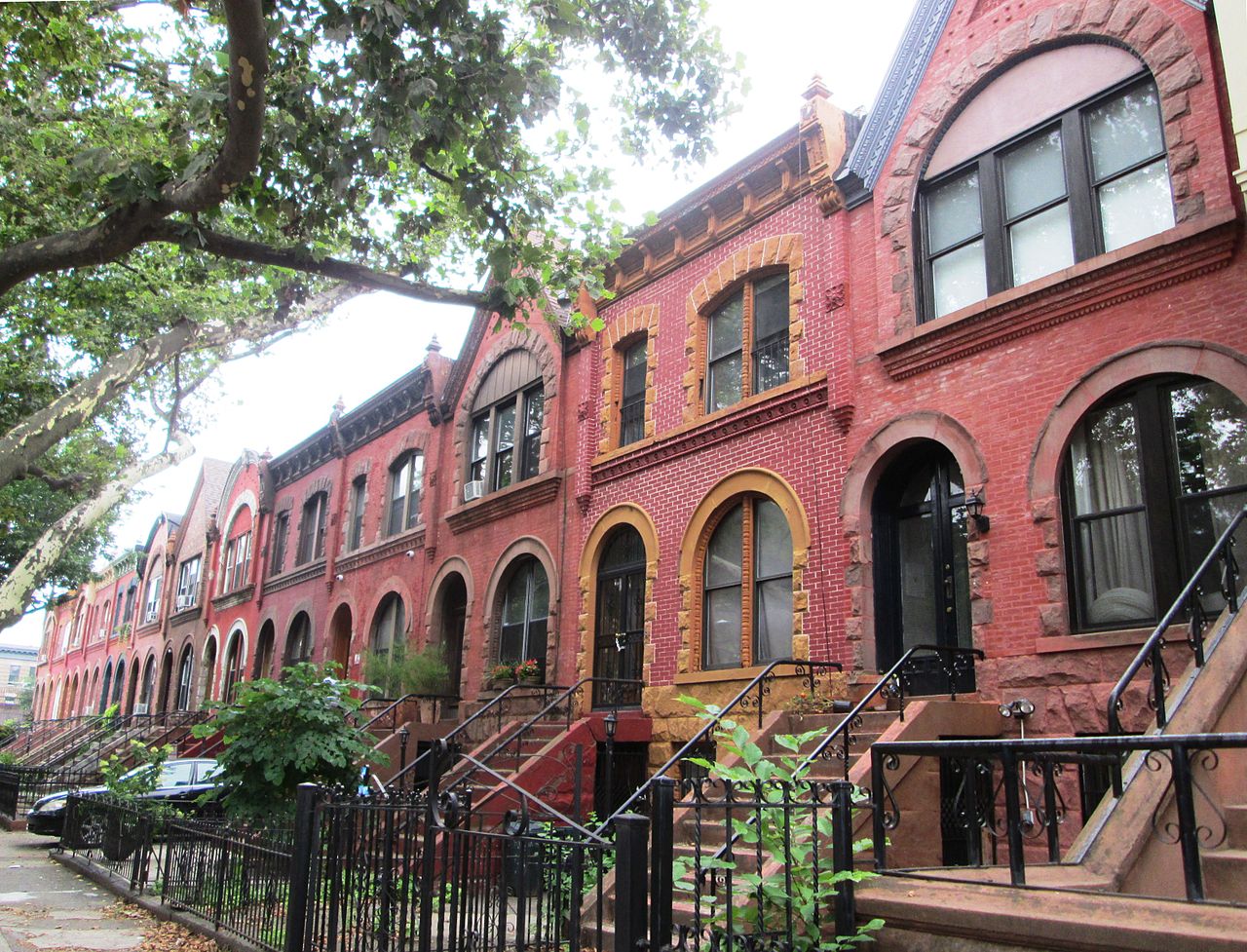
Owning a historic property in New York City is both a privilege and a responsibility. From brownstones in Brooklyn to landmarked buildings in Manhattan, these properties carry architectural character, cultural significance, and long-term value. However, maintaining them comes with unique challenges that modern property owners don’t always anticipate. Understanding these obstacles can help you protect your investment while preserving the charm that makes historic buildings so desirable.
Navigating Landmark and Preservation Regulations
One of the most significant challenges for owners of historic properties in New York City is navigating local regulations. Many historic buildings fall under the jurisdiction of the Landmarks Preservation Commission (LPC). This means that even minor changes—like replacing windows, repainting a façade, or repairing masonry—may require approval.
While these rules are designed to preserve the city’s architectural heritage, they can slow down projects and increase costs. Owners must submit detailed applications, use approved materials, and sometimes work with specialized architects or contractors. Failing to follow guidelines can result in fines or mandatory rework, so staying compliant is essential.
Higher Maintenance and Repair Costs
Historic properties often require more frequent maintenance than newer buildings. Original materials such as stone, brick, plaster, and wood can deteriorate over time and must be repaired carefully to maintain authenticity. Unlike modern construction, repairs often require custom materials and skilled craftsmen who understand historic preservation techniques.
For example, replacing a damaged cornice or restoring decorative moldings isn’t as simple as ordering parts from a supplier. These features may need to be recreated by hand, which significantly increases labor and material costs. Budgeting for ongoing maintenance is crucial for long-term ownership of a historic property.
Aging Infrastructure and Systems
Many historic properties in New York City were built decades—or even centuries—ago. While their structures may be sturdy, their infrastructure often needs modernization. Plumbing, electrical systems, heating, and ventilation may be outdated and inefficient by today’s standards.
Upgrading these systems can be complicated. Owners must balance modern functionality with preservation requirements. For instance, installing central air conditioning or updating wiring must often be done in ways that minimize disruption to original architectural features. This can lead to higher installation costs and longer project timelines.
Energy Efficiency Limitations
Improving energy efficiency in a historic building is another common challenge. Older windows, insulation, and heating systems can lead to higher energy bills and reduced comfort. However, replacing original windows or altering exterior elements may not be permitted without approval.
Owners often need creative solutions, such as interior storm windows, discreet insulation upgrades, or energy-efficient boilers that comply with preservation guidelines. While these improvements can reduce operating costs, they require careful planning and sometimes specialized contractors who understand both sustainability and historic preservation.
Finding Qualified Contractors
Not every contractor has experience working on historic properties. Hiring the wrong team can result in improper repairs that damage original features or violate preservation rules. Skilled contractors familiar with New York City’s landmark regulations and historic construction methods are essential—but they can also be harder to find and more expensive.
Property owners should seek out licensed professionals with proven experience in historic restoration. Checking references, reviewing past projects, and ensuring familiarity with LPC requirements can help avoid costly mistakes.
Managing Unexpected Repairs
Historic buildings often come with surprises. Hidden structural issues, water damage, or outdated materials may not be apparent until work begins. Once uncovered, these problems can significantly increase project costs and timelines.
Routine inspections and preventive maintenance are key to minimizing unexpected repairs. Regularly checking roofs, façades, and mechanical systems can help identify issues early and prevent more extensive damage.
Balancing Preservation and Modern Use
Finally, owners of historic properties must strike a balance between preserving original character and meeting modern needs. Tenants and buyers expect updated amenities, accessibility, and safety features. Incorporating these upgrades while maintaining historic integrity requires thoughtful planning and, often, creative design solutions.
For example, adding elevators, improving accessibility, or upgrading common areas must be done without compromising architectural details. Working with architects and property managers experienced in historic buildings can help ensure these updates enhance rather than detract from the property’s value.
Final Thoughts
Maintaining a historic property in New York City is no small task. From navigating regulations and managing higher costs to upgrading aging systems and preserving architectural details, owners face a variety of challenges. However, with careful planning, the right professional support, and a commitment to preservation, these properties can remain beautiful, functional, and valuable for generations to come.
Owning a piece of New York City’s history is rewarding—but it requires diligence, expertise, and a proactive approach to maintenance. By understanding the unique challenges involved, property owners can protect their investments and keep these iconic buildings standing strong in the city’s ever-changing landscape.