
In a city as dynamic and densely populated as New York City, building security is more than just a front desk and a set of locks. Property owners and managers face unique challenges—from high foot traffic and mixed-use buildings to evolving safety regulations and tenant expectations. Whether you manage a commercial office tower, a residential high-rise, or a retail property, implementing a comprehensive security strategy is essential to protect people, property, and your reputation.
Here’s how to ensure building security in New York City.
1. Start with a Professional Security Assessment
Before investing in equipment or staffing, conduct a thorough security assessment. Identify vulnerabilities such as poorly lit entrances, outdated access systems, unsecured loading docks, or blind spots in stairwells and parking garages.
In NYC, buildings often have multiple access points, shared service corridors, and heavy delivery traffic. A professional risk assessment can help you prioritize improvements based on real threats rather than assumptions. This proactive approach can also reduce liability and insurance costs.
2. Upgrade Access Control Systems
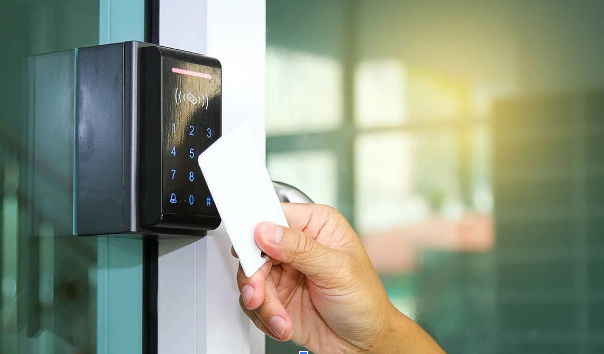
Traditional lock-and-key systems are no longer sufficient for most NYC properties. Modern access control solutions offer better tracking, flexibility, and security.
Consider implementing:
- Key card or fob entry systems for tenants and staff
- Biometric systems for high-security areas
- Intercom and video entry systems for residential buildings
- Lobby turnstiles for commercial properties
Access control systems allow you to monitor who enters and exits your building, deactivate credentials instantly, and maintain detailed entry logs. This is particularly important in multi-tenant buildings where turnover is common.
3. Install and Maintain Surveillance Cameras
Visible surveillance cameras act as a strong deterrent against theft, vandalism, and unauthorized entry. In NYC, exterior cameras are especially important for monitoring sidewalks, delivery areas, and parking garages.
Best practices include:
- Placing cameras at all entrances and exits
- Covering elevators, stairwells, and loading docks
- Using high-resolution cameras with night vision
- Storing footage securely and for an appropriate retention period
However, installation isn’t enough. Regular maintenance ensures cameras remain operational and properly positioned. A broken or poorly angled camera can leave critical blind spots.
4. Improve Lighting and Environmental Design
Good lighting is one of the simplest and most effective security measures. Well-lit entrances, hallways, parking areas, and perimeter spaces reduce opportunities for crime and increase tenant confidence.
Consider using:
- LED lighting with motion sensors
- Timed exterior lighting systems
- Landscaping that avoids creating hiding spots
This approach—often referred to as Crime Prevention Through Environmental Design (CPTED)—uses building layout and lighting to discourage criminal activity.
5. Hire and Train Security Personnel
In many NYC commercial and high-end residential buildings, trained security staff are a key component of safety.
Security personnel can:
- Monitor access points
- Manage visitor sign-ins
- Respond quickly to incidents
- Coordinate with local law enforcement
Even with advanced technology, human oversight remains essential. Staff should be trained not only in emergency response but also in customer service, as they are often the first point of contact for tenants and guests.
6. Establish Clear Emergency Protocols
Security isn’t only about preventing crime—it’s also about responding effectively to emergencies.
Develop and communicate clear procedures for:
- Fire evacuations
- Medical emergencies
- Lockdowns
- Severe weather events
Conduct regular drills and ensure that tenants understand evacuation routes and emergency contact procedures. In a fast-paced city like New York, preparation can make a critical difference.
7. Secure Deliveries and Package Management
With the rise of e-commerce and food delivery services, NYC buildings see constant package traffic. Unattended packages create both theft risks and clutter.
To address this:
- Designate secure delivery zones
- Install package lockers
- Require ID for high-value deliveries
- Use monitored mailrooms
Managing deliveries efficiently reduces theft, liability, and tenant complaints.
8. Stay Compliant with Local Regulations
New York City has strict building and safety regulations. Ensure your property complies with fire codes, accessibility requirements, and any local security mandates.
Regular inspections and documentation help protect you from fines and legal exposure. Staying compliant also signals to tenants that safety is a priority.
Final Thoughts
Building security in New York City requires a layered approach that combines technology, personnel, smart design, and clear procedures. In a city that never sleeps, neither should your security strategy.
By investing in proactive measures and maintaining security systems, property owners and managers can create a safer environment for tenants, employees, and visitors—while protecting the long-term value of their property.